Trying to choose between newer construction and older character in Throop? That decision can shape your budget, your maintenance costs, and even the kind of street setting you come home to every day. If you are weighing a newer home against an older one in this Lackawanna County borough, it helps to know that Throop offers both, but not in equal supply. Here’s how to think through the tradeoffs so you can buy with more confidence. Let’s dive in.
Throop Housing at a Glance
Throop is a compact borough of about 4,081 residents spread across roughly 5 square miles, which gives it a smaller-town feel within the broader NEPA market. According to Census Reporter’s 2024 ACS profile for Throop, the median value of owner-occupied homes was $165,400, which sits below both the Pennsylvania and national figures.
That affordability is part of what makes Throop appealing to buyers who want options without jumping straight into much higher price points seen elsewhere. In practical terms, it means your choice between newer construction and older charm often comes down to how you want to balance upfront cost, updates, and ongoing maintenance.
Where Newer Homes Are in Throop
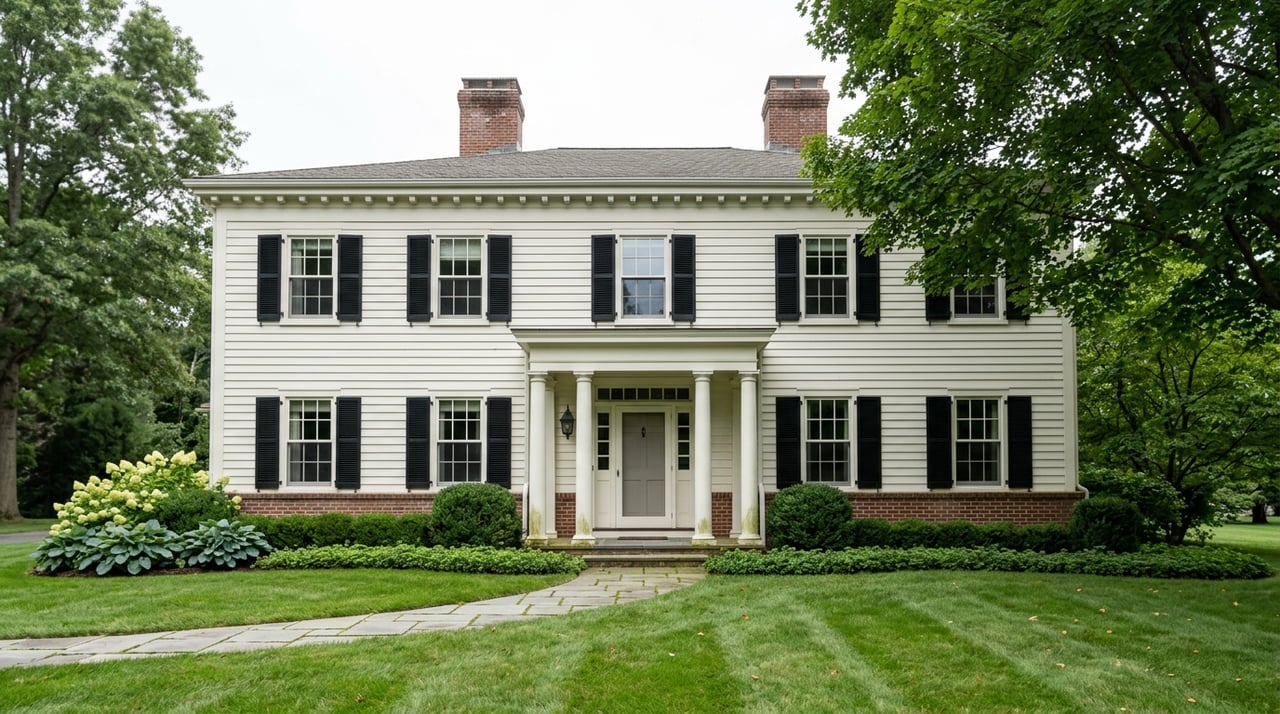
If you are specifically looking for newer construction in Throop, the clearest pocket is School Side Estates. This area is tied to School Side Drive, Champion Circle, and Varsity Drive, and recent examples point to homes built in the 2000s and 2010s rather than a large wave of brand-new development.
Based on state notice information tied to the area, School Side Estates reads more like a mature newer subdivision than a massive new-home pipeline. For you as a buyer, that matters because “new construction” in Throop usually means a small, established newer-home pocket, not a borough full of fresh-build communities.
What the Newer Pocket Feels Like
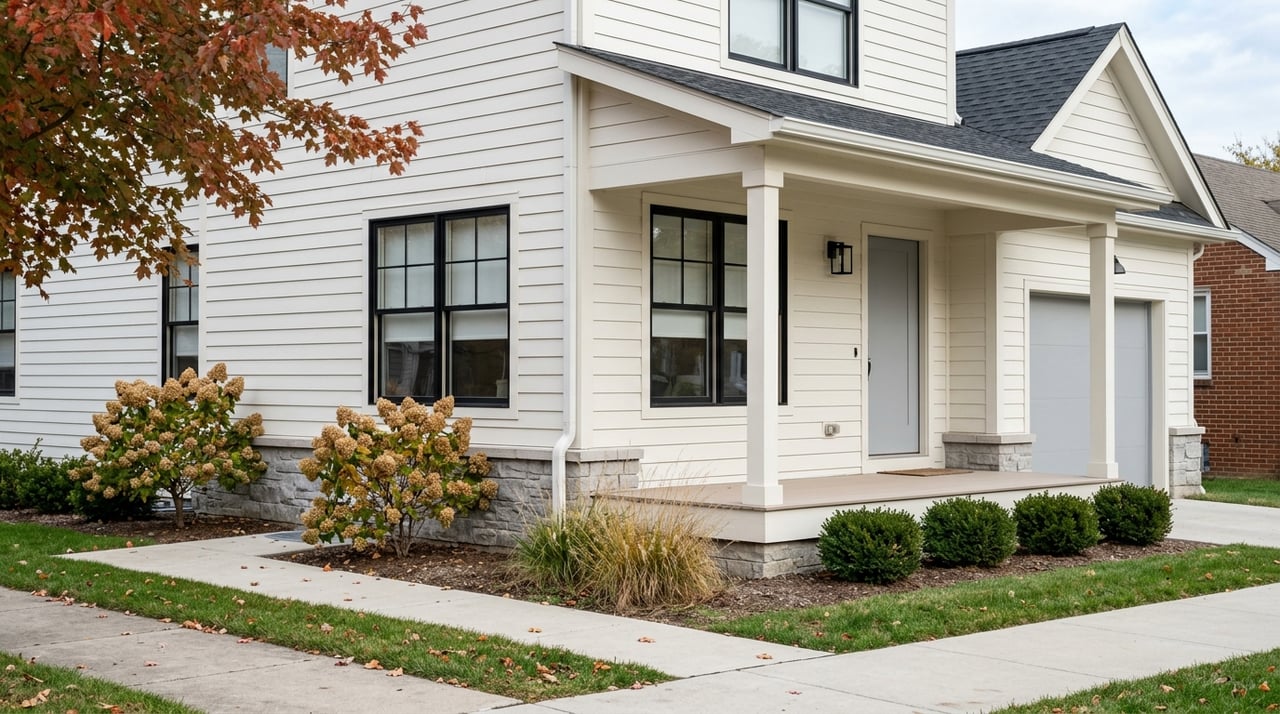
In School Side Estates, the appeal is usually pretty straightforward. You are more likely to find larger lots, garages, more uniform streetscapes, and interiors that feel move-in ready.
If your goal is a home with newer systems and a layout that needs less immediate work, this part of Throop may feel like the most natural fit. It offers a different experience from the borough’s older street grid, where homes tend to vary much more by age, style, and condition.
Where Older Charm Shows Up
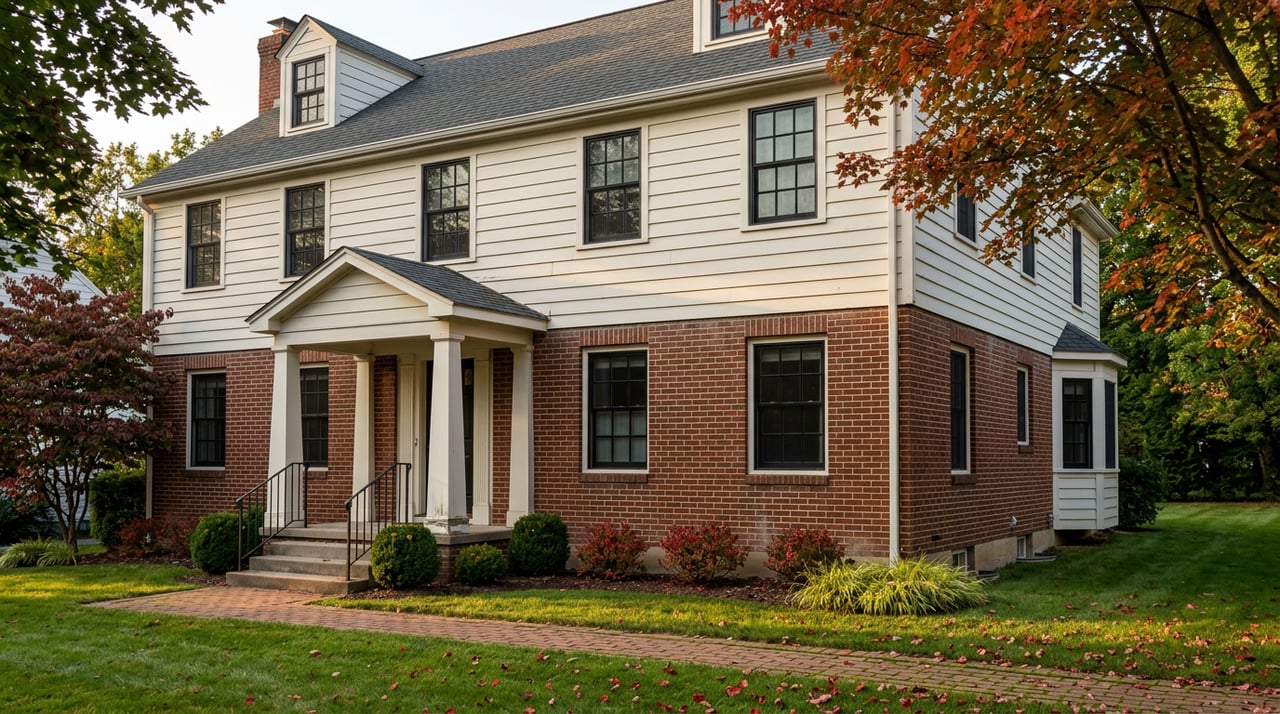
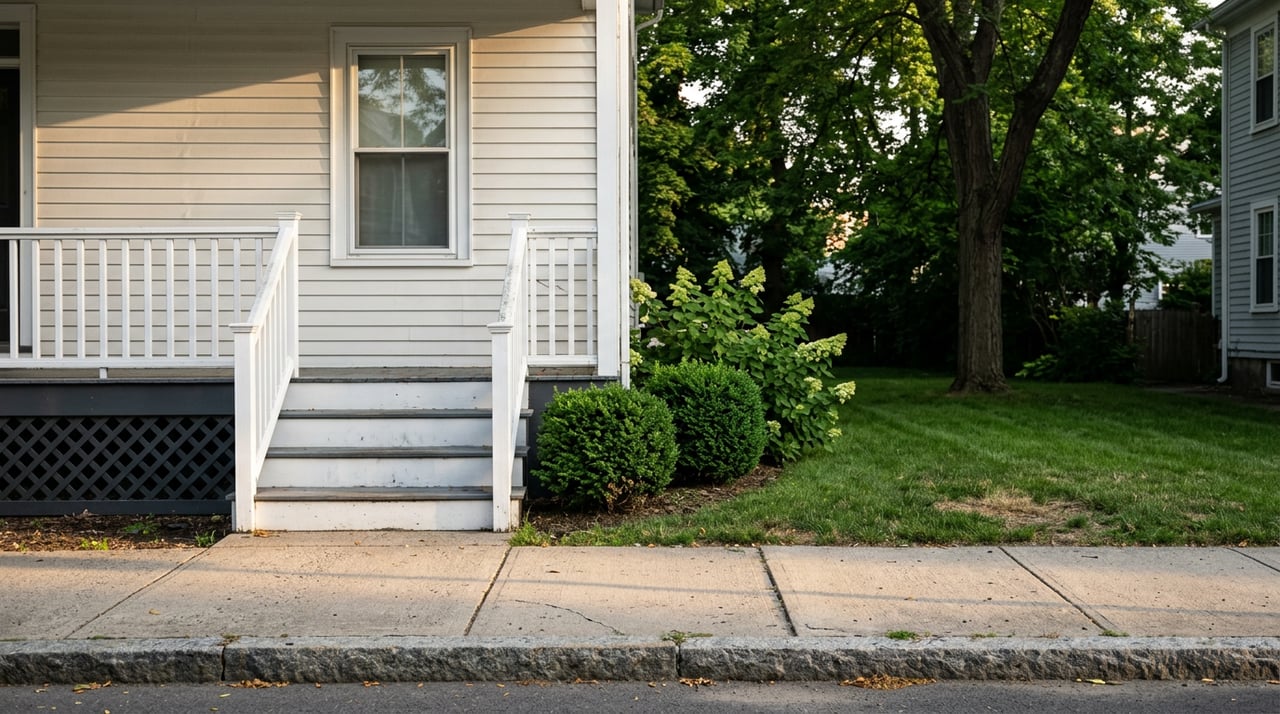
Older character homes are much more common across Throop’s established residential blocks. Recent examples on streets like Pancoast, Meade, Cypress, and Franko have included homes built in 1904, 1920, 1960, 1978, and 1980, showing just how broad the housing mix can be.
Some of the details that define that older charm are the features buyers often notice right away. A recent 1920 home was marketed with original hardwood, stained glass, beveled glass doors, and solid wood doors, while a 1904 home featured a stone foundation and front porch. Those details can be hard to replicate in newer homes, and for some buyers they are a big part of the appeal.
What Older Streets Offer
Buying an older home in Throop is not only about architectural character. It is also about choosing a more traditional borough street setting, where homes are woven into an established grid rather than clustered in a newer subdivision pocket.
That can create a very different day-to-day feel. If you like variety from one property to the next and appreciate older design details, established Throop streets may offer more of what you are looking for.
Price Is Often the Deciding Factor
For many buyers, the biggest difference between newer homes and older homes in Throop is price. Borough-wide market medians have recently landed around the high-$100,000s to about $200,000, while examples in the School Side Estates area have been listed or sold around $529,900 to $540,000.
By comparison, older-home examples on streets like Cypress and Franko have sold in a range of roughly $178,000 to $275,000. That is a major fork in the road if you are trying to stay closer to the middle of the Throop market rather than stretch for a premium newer home.
When the Higher Price May Be Worth It
A higher purchase price can make sense if you want to reduce the number of immediate projects after closing. With a newer home, you may be paying more up front for newer finishes, newer mechanical systems, and a layout that needs less updating from day one.
That does not automatically make it the better choice for everyone. It simply means you are shifting more of the cost into the purchase price instead of saving on the front end and planning for repairs or improvements later.
Maintenance and Efficiency Matter Too
It is easy to assume newer always means carefree, but that is not quite true. HUD notes that newly built homes are not maintenance-free, so even a newer property still needs regular upkeep.
Older homes, however, often bring a different kind of planning. The U.S. Department of Energy notes that many older homes have little or no attic insulation, and upgrades like air sealing and insulation can improve comfort while lowering heating and cooling costs. That means your real budget should include more than the mortgage payment alone.
Newer Homes and Energy Use
If energy efficiency is high on your list, newer construction often has the advantage. According to ENERGY STAR, certified new homes can use up to 30% less energy than typical new homes.
That said, the key word is certified. A newer home may offer efficiency benefits, but the strongest gains come when the home is actually built to higher performance standards.
Older Homes Can Improve
An older home does not have to stay inefficient forever. With the right upgrades, such as insulation, air sealing, and improved HVAC equipment, you can narrow the performance gap and make an older property more comfortable over time.
This is where you want to think realistically about your timeline and budget. If you love a home’s character and location, the smarter question may be whether you are ready for the upgrade path that comes with it.
How to Choose the Right Fit
The best choice in Throop usually depends less on the label of “new” or “old” and more on how you want to live. Here are a few practical ways to frame the decision.
Choose Newer Construction If You Want Simplicity
A newer home may be the better fit if you want:
- More turnkey finishes
- Newer systems and components
- Larger-lot subdivision-style living
- Fewer immediate repair projects
- A more uniform streetscape
In Throop, that often points you toward the School Side Estates area and a significantly higher budget ceiling.
Choose Older Charm If You Want Value and Character
An older home may make more sense if you want:
- A lower entry price
- Original design details and craftsmanship
- A home on an established borough street
- More flexibility to update over time
- A better chance of staying closer to Throop’s market center
This route can be especially attractive if you are comfortable budgeting for repairs, updates, or efficiency improvements after purchase.
Think Beyond the House Itself
In Throop, the choice is not only about the age of the property. It is also about the setting around it.
The newer pocket feels more tucked away and subdivision-like, while many older homes sit within the borough’s traditional street layout. Depending on what feels right to you, that difference may matter just as much as square footage, finishes, or build year.
A Smart Way to Shop in Throop
If you are serious about buying in Throop, it helps to compare homes with a full-cost mindset. Instead of asking only, “Which house is nicer?” ask:
- What is my true all-in monthly budget?
- How much cash do I want to keep available after closing?
- Am I comfortable taking on upgrades within the first year?
- Do I want character and a lower entry point, or convenience and newer systems?
- Does the street setting fit the way I want to live day to day?
Those questions usually lead you to the right answer faster than focusing on age alone.
Whether you are drawn to a newer home in School Side Estates or an older property with original details on one of Throop’s established streets, the right move comes down to matching the home to your priorities. If you want local guidance as you compare neighborhoods, price points, and long-term ownership costs, connect with Luxe Homes Real Estate LLC for a personalized buying strategy.
FAQs
What does new construction usually mean in Throop, PA?
- In Throop, new construction typically refers to a small newer-home pocket like School Side Estates rather than a large number of brand-new subdivisions across the borough.
Are older homes in Throop, PA more affordable than newer homes?
- Often, yes. Older homes in Throop have recently appeared closer to the borough’s market center, while newer-home examples in School Side Estates have been priced much higher.
What features make older Throop homes feel charming?
- Buyers often connect older Throop homes with features like original hardwood floors, stained glass, beveled glass doors, solid wood doors, stone foundations, and front porches.
Are newer homes in Throop, PA maintenance-free?
- No. Newer homes can reduce immediate repair needs, but HUD notes that newly built homes still require regular maintenance.
Can an older home in Throop, PA become more energy efficient?
- Yes. Upgrades such as attic insulation, air sealing, and improved HVAC equipment can help an older home reduce energy use and improve comfort over time.
How should buyers compare newer and older homes in Throop, PA?
- The best approach is to compare purchase price, likely repair or upgrade costs, energy performance, and the type of street setting you want, not just the home’s age alone.