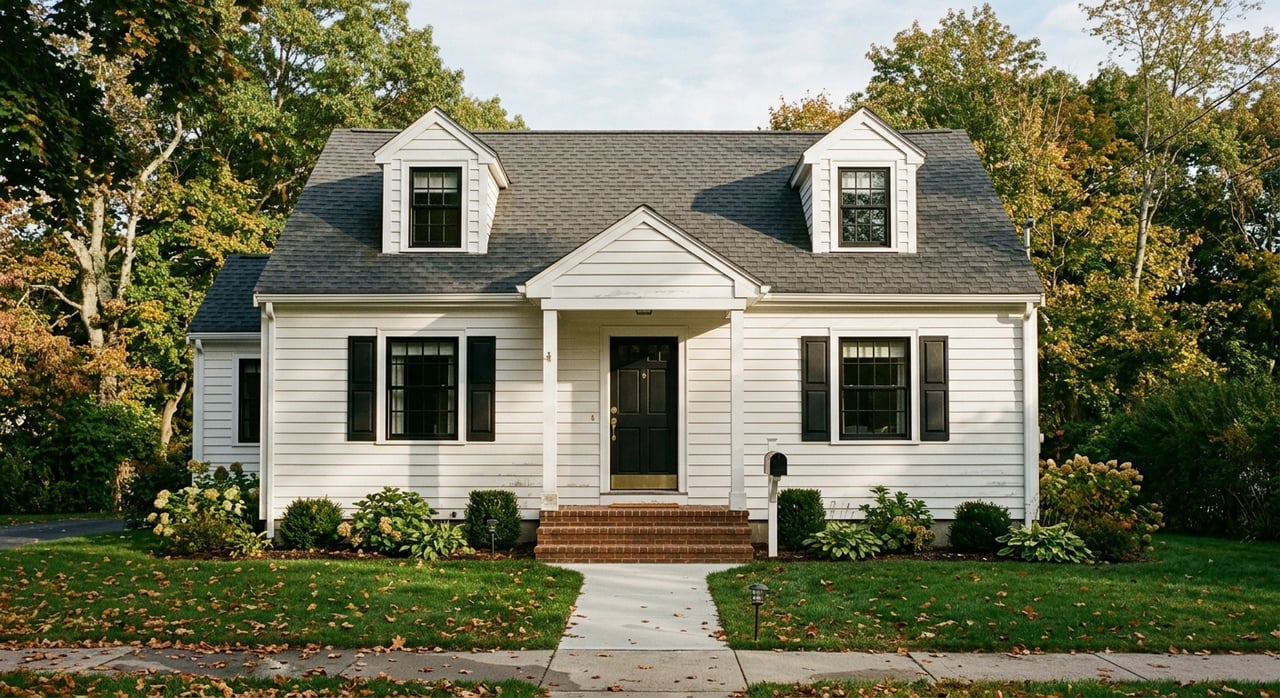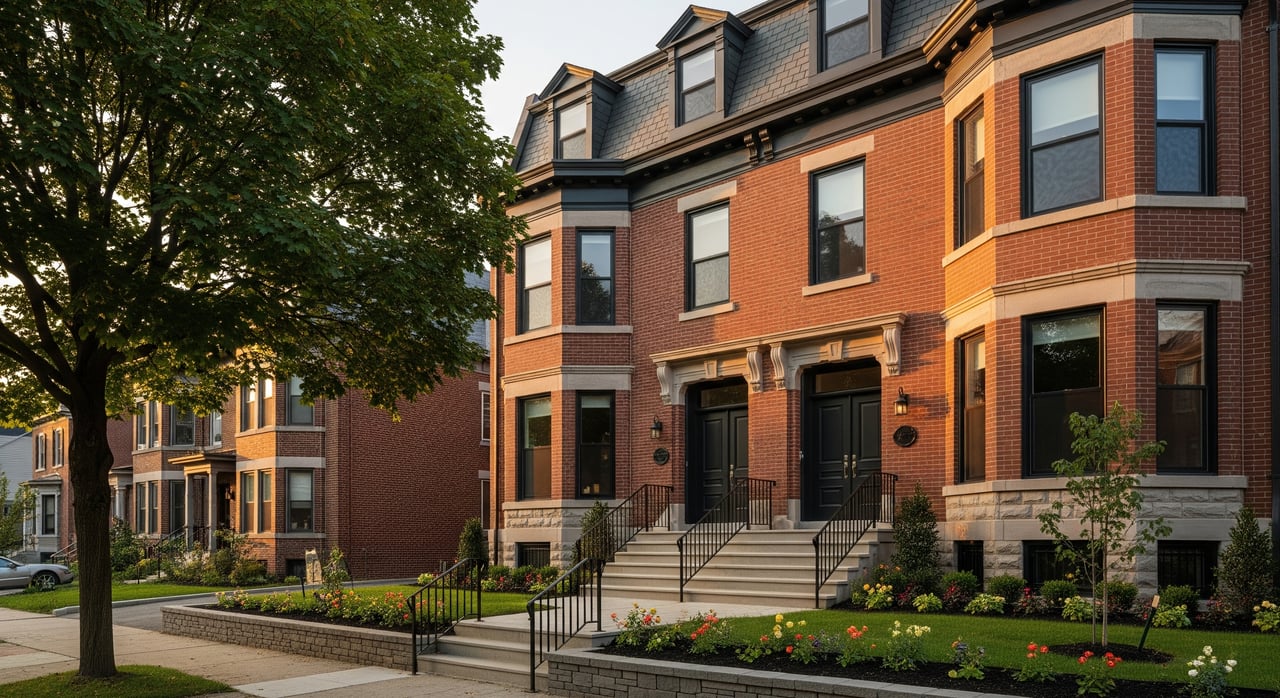
Thinking about buying a small multifamily in Dunmore and stuck between a duplex and a triplex? You are not alone. You want steady income, manageable upkeep, and financing that fits your budget. This guide breaks down how each property type performs in Dunmore, what lenders look for, how to run the numbers, and what day-to-day ownership feels like. Let’s dive in.
Dunmore market snapshot
Dunmore sits next to Scranton and leans on regional jobs in healthcare, education, manufacturing, and government. Many small multifamily buildings are older and can be more affordable than in bigger metros. That often means solid demand at accessible price points.
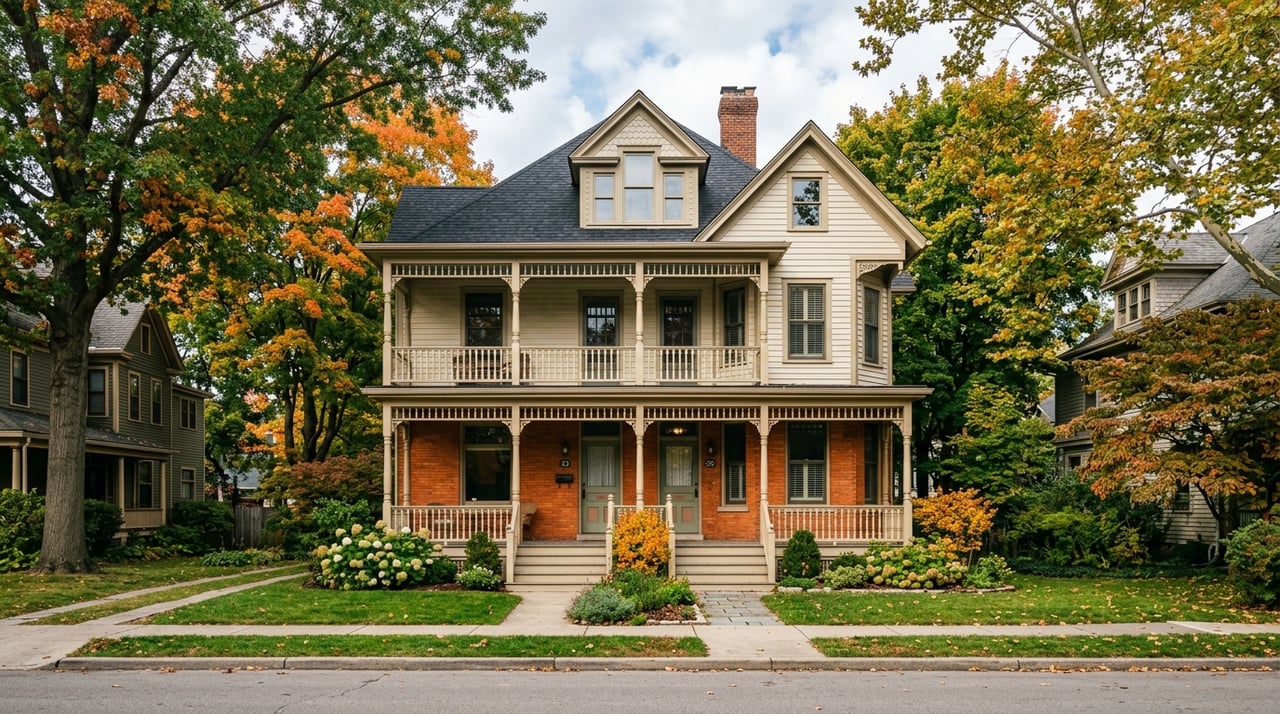
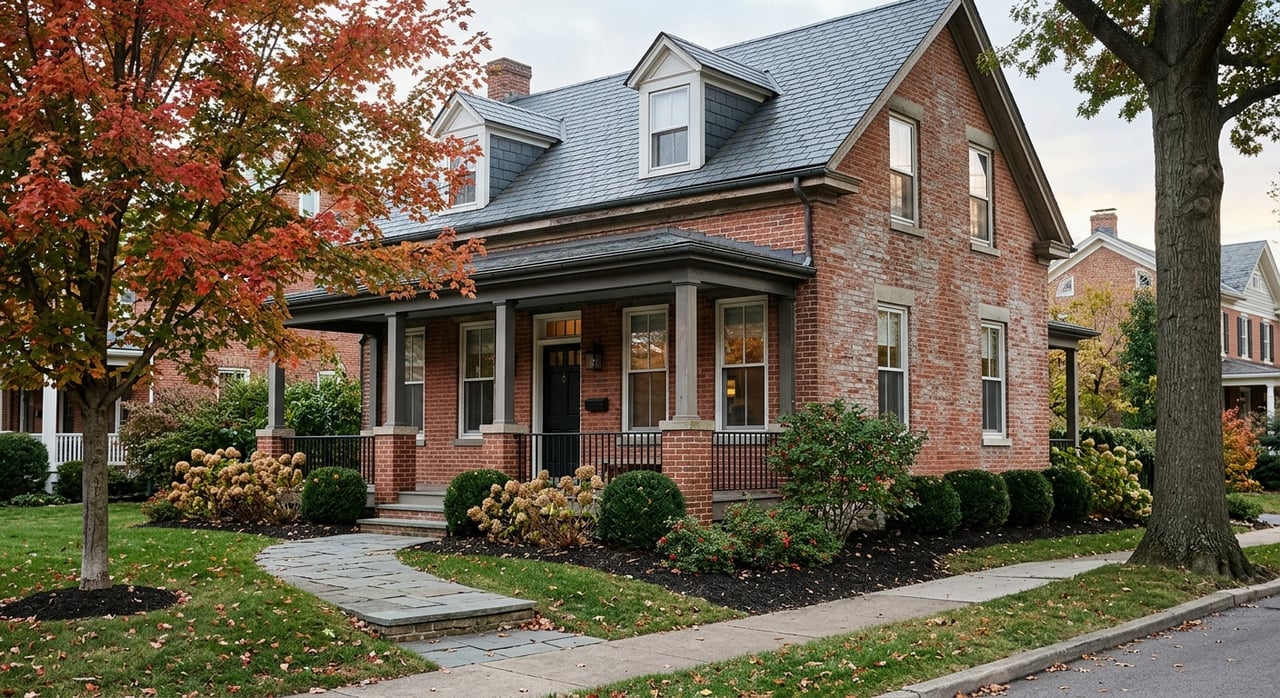
Most 2 to 4 unit properties in this area were built in the early to mid 20th century. Older buildings can cash flow, but they also need consistent maintenance and capital upgrades. Plan for realistic repairs so you stay ahead of surprises.
What to verify locally
- Confirm current rents using local MLS comps, area listing platforms, and property managers.
- Pull recent sale comps and assessed values from the Lackawanna County assessor.
- Check Dunmore Borough for rental registration, inspections, and occupancy rules for 2 to 4 units.
- Use county-level HUD Fair Market Rents as a conservative rent reference and to understand program eligibility.
- Request current insurance quotes, sample tax bills, and typical winter heating costs.
Duplex vs triplex at a glance
- Acquisition cost and capital: Duplexes often come with a lower purchase price and smaller down payment. Triplexes can cost more upfront.
- Income diversification: A triplex spreads rent across three units. One vacancy impacts roughly one third of gross rent. A duplex loses about half of gross rent when one unit is vacant.
- Management complexity: More units mean more tenant interactions, turnovers, and maintenance requests. Duplexes are simpler to manage, especially if you live in one unit.
- Owner-occupant fit: Living in one unit can unlock better loan terms. House-hacking is common with both, but a duplex often feels more manageable for a first purchase.
Financing pathways in Dunmore
Owner-occupant loans for 2 to 4 units
Both duplexes and triplexes are considered residential 2 to 4 unit properties by most lenders. Owner-occupants can explore FHA or conventional loans. Down payments can be lower than typical investor loans, but you must live in one unit.
Using rental income to qualify
Lenders often count some of the projected rent from the other units when you qualify for the mortgage. Documentation varies. Some want signed leases or prior tax returns. Others use a percentage of market rent. Ask how your lender treats this and what they need.
Investor loans when you do not occupy
Non-owner investors usually face higher down payments, higher rates, and reserve requirements. Underwriting focuses on the property’s income and your overall financial strength. Expect stricter terms if you will not live on site.
Lender checklist
- Will you count rent from the other units in my qualifying income? What documents do you need?
- What is the minimum down payment and how do rates differ for owner-occupied vs investor loans?
- How many months of reserves are required?
- What insurance is needed for a 2 to 4 unit with tenants? Do you require escrow for taxes and insurance?
Cash flow basics and quick math
Knowing a few core metrics helps you compare a duplex to a triplex quickly.
Key metrics explained
- Gross Scheduled Income (GSI) = total annual rent if fully occupied.
- Vacancy allowance = GSI × vacancy rate.
- Effective Gross Income (EGI) = GSI − vacancy allowance.
- Operating Expenses = taxes, insurance, owner-paid utilities, repairs, management, and capital reserves.
- Net Operating Income (NOI) = EGI − Operating Expenses.
- Cap rate = NOI ÷ Purchase Price.
- Debt Service Coverage Ratio (DSCR) = NOI ÷ Annual Debt Service.
- Cash-on-Cash Return = (NOI − Annual Debt Service) ÷ Cash Invested.
- Gross Rent Multiplier (GRM) = Purchase Price ÷ GSI.
Example math for Dunmore buyers
These are examples to show how a duplex and a triplex can differ. Replace the assumptions with current Dunmore rents, taxes, insurance, and rates before you decide.
Example A — Duplex
- Assumptions: $1,000 rent per unit; GSI $24,000 per year; 7% vacancy; 40% expense ratio; $200,000 purchase price; 25% down; 5.5% interest; 30-year term.
- Results: Cap rate about 6.36%. Cash-on-cash about 4.0% pre-tax. DSCR around 1.24.
Example B — Triplex
- Assumptions: $900 rent per unit; GSI $32,400 per year; 7% vacancy; 45% expense ratio; $275,000 purchase price; 25% down; 5.5% interest; 30-year term.
- Results: Cap rate about 5.65%. Cash-on-cash about 2.18% pre-tax. DSCR around 1.11.
Interpretation: The duplex example shows a higher cap rate and slightly better cash-on-cash under these assumptions. The triplex produces higher total rent and better vacancy diversification but may trade for a higher price per door, which can compress returns. Small changes in price, interest rate, or expenses can swing results, so rerun the numbers with conservative assumptions.
Vacancy and risk tradeoffs
Vacancy hits a duplex harder in percentage terms. One empty unit is about a 50% drop in gross rent. In a triplex, one vacancy is about 33%. That diversification can help stabilize cash flow, especially if units are similar and rents are close.
The flip side is complexity. A triplex usually means more tenant relationships, more coordination, and more maintenance calls. If you plan to self-manage while working full time, those added touches matter. Balance the risk reduction from diversification with the time commitment you are willing to make.
Operations and management reality
Maintenance and CapEx in older buildings
Northeastern Pennsylvania’s older housing stock calls for steady upkeep. Roofs, porches, plumbing, and heating systems need planned replacement over time. Turnover costs per unit can range from about $1,000 to $4,000 depending on repairs and cosmetic updates. Set aside a capital reserve every month so bigger projects do not derail cash flow.
Utilities and winter planning
Confirm who pays for heat, hot water, and electric. If you pay for heat, winter energy costs can rise quickly. Metering and utility responsibility affect both rent levels and your expense ratio. Get quotes, review past bills, and build those costs into your pro forma before you write an offer.
When to bring in a property manager
- If you do not live nearby or have limited time to respond to requests.
- If you prefer passive income and want help with leasing, screening, and compliance.
- If you own more than a few units and need scale.
Typical management fees for small multifamily are often in the 8% to 12% range of collected rent, with leasing fees commonly 50% to 100% of one month’s rent per new lease. Verify current terms with local providers and weigh the fee against the time and risk you will save.
Which fits your plan?
- You want lower entry cost and simpler management: A duplex often fits. It can be a comfortable first step, especially if you plan to live in one unit.
- You want more rent diversification and can handle added complexity: A triplex adds a third income stream, which can soften the impact of vacancy and help scale faster.
- You plan to own-occupy and learn management: A duplex may feel more manageable day to day. If you already have systems or plan to hire management, a triplex can make sense.
There is no one-size-fits-all choice. Your budget, time, comfort with repairs, and financing all shape the answer.
Your Dunmore due diligence checklist
- Pull current rent comps for similar 2 to 4 unit properties in Dunmore and nearby Scranton or Throop.
- Obtain sample tax bills from the Lackawanna County assessor for comparable properties.
- Get insurance quotes for landlord coverage, including liability and potential loss-of-rent coverage.
- Confirm Dunmore rental registration and inspection requirements, plus occupancy limits for your target property type.
- Verify who pays which utilities and estimate winter heating expenses.
- Ask lenders how they underwrite rental income and what down payment and reserves they require for owner-occupied vs investor loans.
- Price out professional management and leasing fees from a few local firms.
- Run a conservative pro forma using a vacancy allowance and realistic CapEx reserves.
Next step: run local numbers together
If you are comparing a specific duplex or triplex in Dunmore, a customized analysis will make the decision clearer. We can model rents, taxes, financing, and expected repairs so you see cash flow and risk before you commit. Reach out to Luxe Homes Real Estate LLC to schedule an investment consultation.
FAQs
What are the main financing options for an owner-occupant buying a duplex in Dunmore?
- Most lenders treat duplexes as 2 to 4 unit residential properties, so you can explore FHA or conventional loans with occupancy requirements and potentially lower down payments than investor loans.
How does vacancy impact cash flow in a duplex vs a triplex in Dunmore?
- One vacant unit in a duplex cuts gross rent by about 50%, while one vacancy in a triplex is about 33%, which spreads risk but may add management complexity.
What operating expense range should I plan for with older small multifamily in Lackawanna County?
- A common operating expense ratio is roughly 30% to 50% of gross scheduled income, with higher ratios possible for older buildings or when the owner pays utilities.
Can projected rental income help me qualify for a 2 to 4 unit mortgage?
- Often yes; many lenders will count some portion of projected rent from other units, using leases, tax returns, or a percentage of market rent, depending on their guidelines.
When should I hire a property manager for a Dunmore triplex?
- Consider management if you live out of the area, work full time, prefer a hands-off approach, or are scaling beyond a few units; expect fees often in the 8% to 12% range plus leasing costs.