If you want steady cash flow without chasing distant markets, look three miles southwest of Scranton. Taylor’s small‑town scale, commuter access, and attainable prices can make duplexes and triplexes pencil out when you underwrite with current rents and real operating costs. In this guide, you’ll see why Taylor is worth a closer look, how to run the numbers with confidence, and what risks to check before you buy. You’ll also get a simple checklist and two side‑by‑side pro formas so you can compare outcomes fast. Let’s dive in.
Why Taylor suits small multifamily
Taylor is a compact Lackawanna County borough with about 6,290 residents at the 2020 Census and a 2024 estimate near 6,252. Median household income is roughly $60.4k, and the average commute sits around 22 minutes, which fits a steady commuter workforce tied to regional jobs in Scranton and nearby hubs. You can confirm these baselines in the U.S. Census QuickFacts for Taylor borough. See the data here.
Entry pricing is the draw. Recent zip‑level sources indicate median home values in 18517 often land in the $180k to $215k band, and duplex or triplex listings commonly appear between $150k and $300k depending on size and condition. For a fast snapshot of community-level indicators, review Census Reporter’s Taylor profile.
Rents have also moved up. The American Community Survey’s 2019–2023 median gross rent reads about $1,015, which is a helpful historical baseline. Current listing snapshots in early 2026 show higher advertised rents, with many 2‑bedroom asks in the $1,600 to $2,300 range. Use current listings and MLS comps when setting your own underwriting rent.
Tenant demand is supported by nearby employment anchors. Healthcare systems, higher-education institutions, government, and logistics facilities in the Scranton metro feed consistent renter demand. A recent example is Geisinger’s announced investment in Scranton hospital facilities, which signals ongoing healthcare employment nearby. You can read about that investment on Geisinger’s site.
The bottom line: low acquisition costs, rising asking rents, and steady demand drivers can produce attractive gross rent to price relationships. That is exactly what you want when you seek cash flow from a small multifamily.
What Taylor duplexes look like
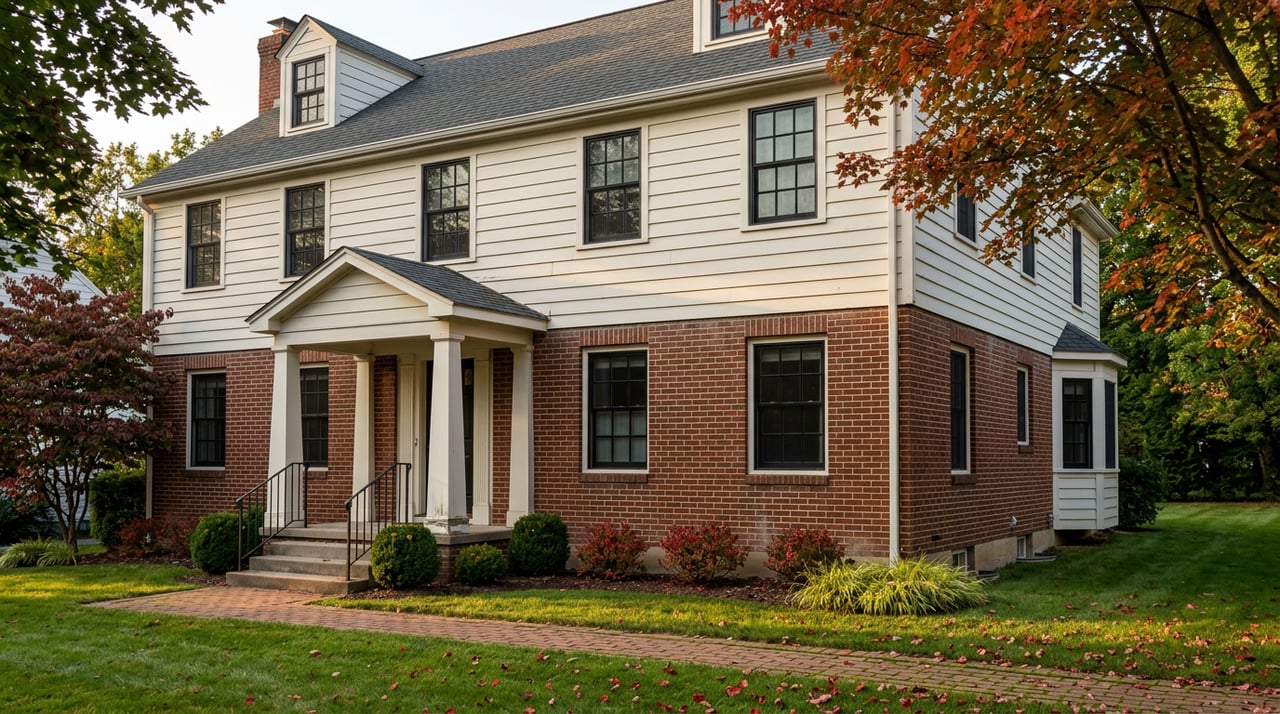
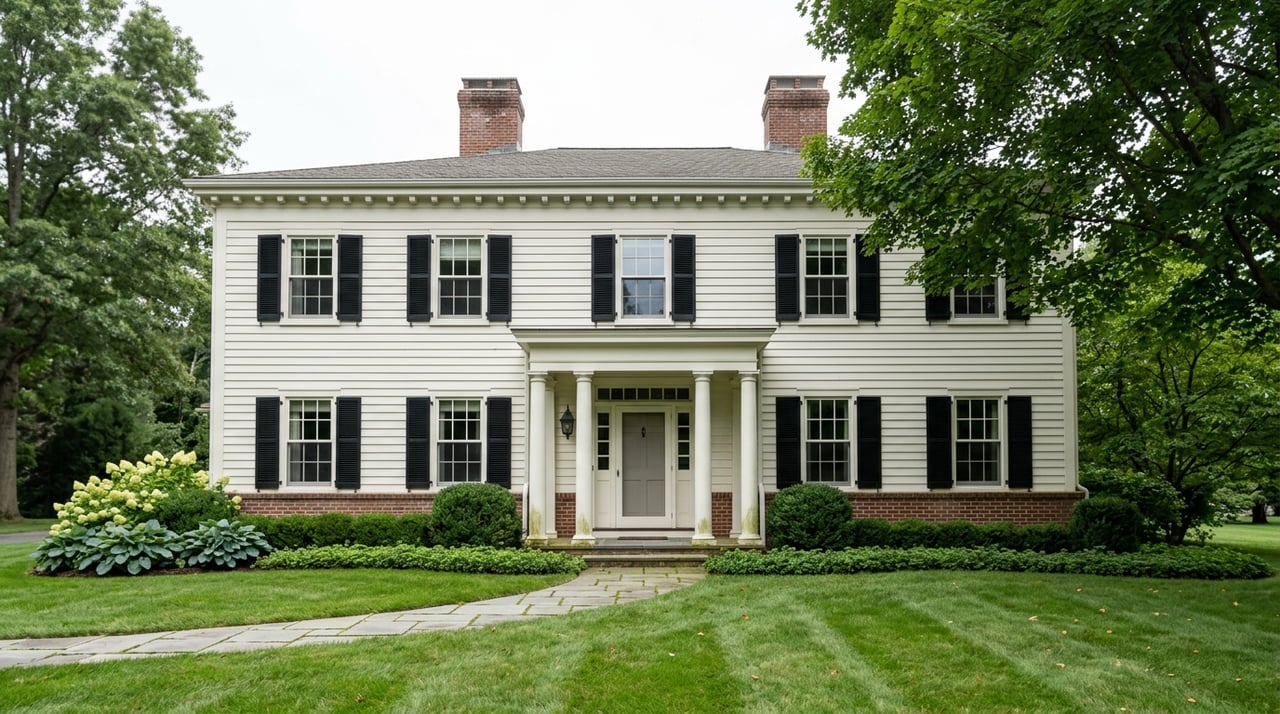
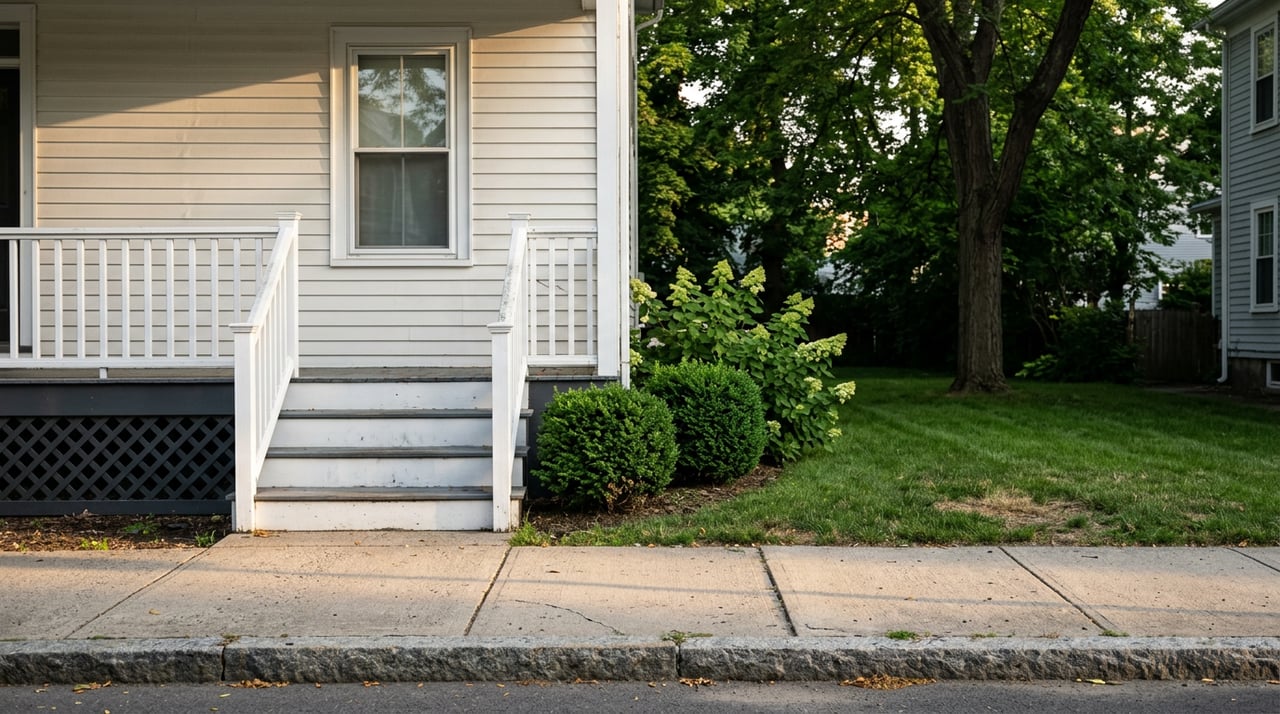
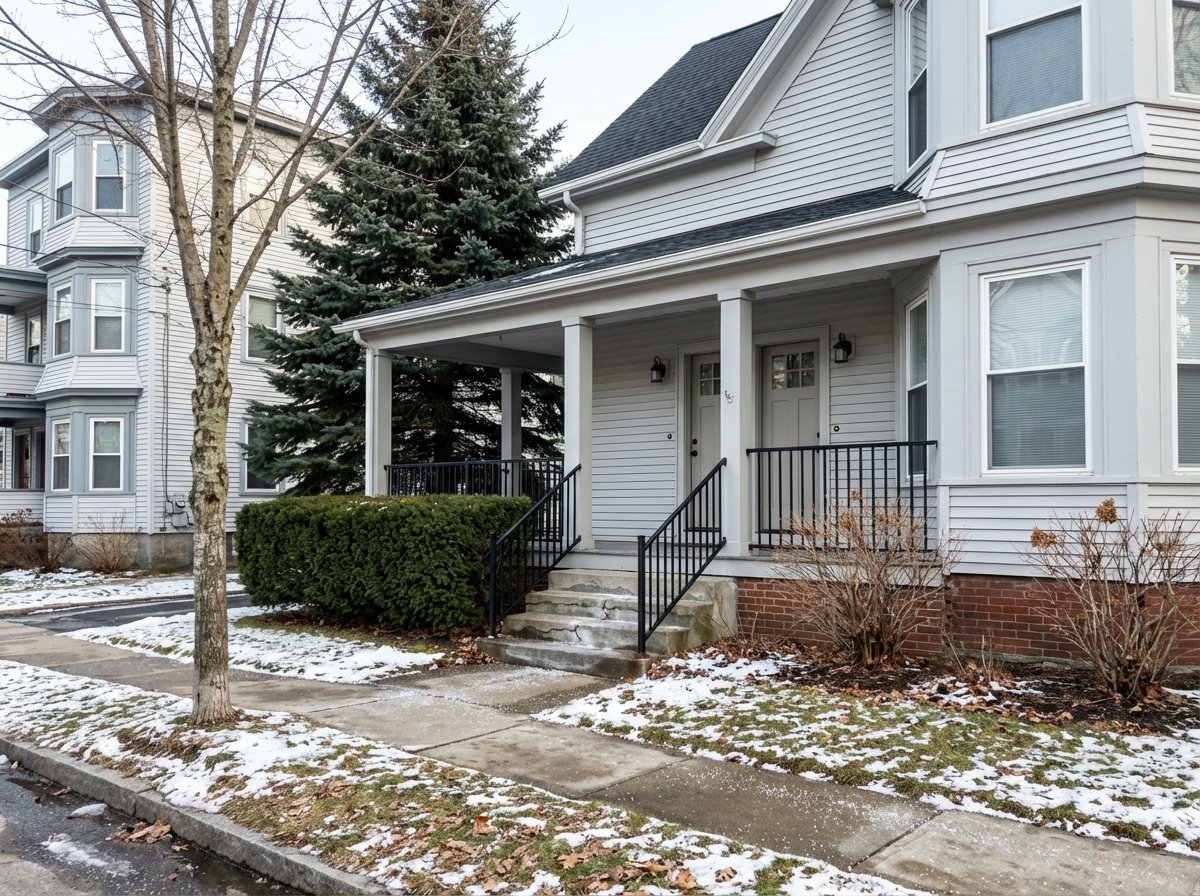
Expect mid‑20th‑century buildings, many from 1920 to 1960, with updates done over time. Common layouts include side‑by‑side or up‑down duplexes and conversions with 2 to 3 bedrooms per unit. Some have separate utilities and meters while others share systems. Because of the age profile, plan for a range of conditions: from “good bones” that need light unit turns to properties where roofs, electrical, plumbing, or heating systems deserve near‑term upgrades.
How to underwrite in Taylor
Small multifamily returns live or die by rent assumptions and operating costs. Use this simple flow to stay grounded.
Step‑by‑step checklist
- Verify rent roll and leases
- Pull in‑place rents, deposits, lease end dates, and any concessions. If units are vacant, use fresh local comps for the exact unit mix.
- Set market rents using current comps
- Use active portals and MLS to bracket likely rent by bedroom count. Build underwriting on the lower of your comp range and target rent for a conservative view.
- Apply a vacancy factor
- A 5 to 8 percent vacancy allowance is common for small, stable multifamily. Use the higher end if you want a cushion. For more on standard expense assumptions, see this overview from Stessa on estimating rental property expenses.
- Estimate operating expenses
- Older duplexes often run at 40 to 50 percent of effective gross income once you include taxes, insurance, utilities you cover, repairs, management, and turns. Stessa’s guide above outlines the “50 percent rule” as a conservative shorthand.
- Budget professional management if needed
- Full management for 1 to 4 units typically runs 6 to 10 percent of collected rent, with separate leasing fees at turn. A good manager can reduce vacancy and enforce leases, which often improves net returns. For a practical breakdown of common services and fees, review this property management guide.
- Model taxes and insurance
- For quick budgeting in Lackawanna County, use about 1.5 to 2.0 percent of assessed value for annual property taxes until you confirm the actual bill. See county-level context on PropertyShark’s Lackawanna page. Insurance can vary with age and building value, so pull quotes early.
- Calculate NOI and cap rate
- Effective Gross Income = market rent times 12 minus vacancy. Subtract operating expenses to get Net Operating Income. Cap rate equals NOI divided by purchase price.
- Test financing and DSCR
- Compare NOI to annual debt service. Many lenders want a DSCR around 1.20 to 1.30 or better. If you plan to live in a unit, FHA allows 2 to 4 unit purchases with lower down payment within loan limits. Get a refresher on FHA basics from the Consumer Financial Protection Bureau here.
Sample numbers for a Main Street duplex
The examples below show how rent assumptions move returns.
- Example asset: listing price of $249,000 for a typical Taylor duplex. Use recent local sales to refine values on your target block.
Scenario 1 — conservative rent capture
- Rent per unit: $1,300 per month based on lower asking levels seen on some nearby 3‑bedroom units.
- Gross scheduled rent: $1,300 times 2 units times 12 = $31,200 per year.
- Vacancy: 6 percent, or $1,872, gives Effective Gross Income of $29,328.
- Operating expenses: 45 percent of EGI, about $13,198.
- NOI: $29,328 minus $13,198 = $16,130 per year.
- Cap rate: $16,130 divided by $249,000, about 6.5 percent.
Scenario 2 — market rent capture
- Rent per unit: $1,790 per month, aligned with mid‑range 2‑bedroom medians for 18517 reported by local aggregators. See a zip‑level rent view at Prop‑Metrics.
- Gross scheduled rent: $1,790 times 2 times 12 = $42,960 per year.
- Vacancy: 6 percent, or $2,578, gives Effective Gross Income of $40,382.
- Operating expenses: 45 percent of EGI, about $18,172.
- NOI: $40,382 minus $18,172 = $22,210 per year.
- Cap rate: $22,210 divided by $249,000, about 8.9 percent.
Debt impact example
- At 75 percent loan‑to‑value, a hypothetical 6.5 percent interest rate, and 30‑year amortization, annual debt service on a $186,750 loan is roughly $14,167. Under Scenario 1, DSCR is about 1.14, which is tight. Under Scenario 2, DSCR is about 1.57, which is stronger. Always use current lender quotes.
Key takeaways
- A few hundred dollars per unit swings DSCR and cap rate in a big way. Pair conservative rents with realistic expense ratios so you are not surprised later.
- Use MLS sales and fresh rent comps, not just lagging ACS medians, when you decide on offer price and post‑close strategy.
Local risks to check first
Taylor has a legacy of coal mining, and parts of town sit over abandoned mines. You will also find mapped FEMA flood areas. Both can affect foundations, basements, wells, and insurance. Before you commit, pull mine subsidence and floodplain information from borough or county resources and ask your inspector to focus on structure and utilities. Start with the borough page to navigate contacts and references for maps and permits: Lackawanna County’s Taylor page.
Because the housing stock skews older, screen for lead paint in pre‑1978 buildings and check for asbestos in older finishes. Upgrade planning for roofs, HVAC, and plumbing is common. Budget a capital reserve of 5 to 10 percent of gross rent to cover these big items over time. For a refresher on expense planning, revisit Stessa’s expense estimation guide.
Where to source deals
- Greater Scranton MLS and local agent networks. Ask for recent duplex and triplex sales on your target streets and any pocket listings coming soon.
- County tax sales, estate auctions, and direct owner outreach. A local agent or attorney can explain process, timelines, and risks.
- Rental listing portals and property management teams for real‑time rent checks. Confirm true market rent for your exact unit mix before you set offer terms.
Management that protects returns
If you plan to own multiple units or live out of the area, professional management often pays for itself through reduced vacancy, consistent rent collection, and coordinated repairs. Expect about 6 to 10 percent of collected rent for ongoing management, plus separate leasing fees when a unit turns. For a practical overview of services and pricing, read this property management guide.
What cap rates to expect
In secondary markets with similar profiles, small multifamily cap rates often land around 6 to 9 percent, depending on asset quality and rent levels. Taylor deals will sit inside that range based on price, condition, and your ability to reach current market rents. For broader national context on market conditions, review CREXi’s recent report on trends and cap rates here.
Next steps
If Taylor is on your shortlist, start with a tight buy box: target streets, unit mixes, and a price band that supports your DSCR. Pull three to five recent duplex or triplex sales, set market rents by bedroom count, and test a conservative and a market‑rent case. Run taxes, insurance, and a 40 to 50 percent operating expense ratio to stress test your numbers, then adjust your offer price or renovation plan accordingly.
Want help finding and underwriting cash‑flowing Taylor duplexes and triplexes, then leasing and managing them after closing? Partner with a locally focused, end‑to‑end team. Schedule your consultation with Luxe Homes Real Estate LLC to get customized comps, on‑the‑ground rent data, and a clear plan from acquisition to management.
FAQs
What makes Taylor, PA attractive for duplex investors?
- You get lower entry prices, rising asking rents, and proximity to Scranton employers, which can improve rent to price ratios compared with larger metros. Census QuickFacts provides the local baseline on population, income, and commute times.
How should I estimate expenses for an older Taylor duplex?
- Use a 40 to 50 percent operating expense ratio on effective gross income until you have actuals, and budget 5 to 10 percent of gross rent for capital reserves. Stessa’s guide outlines these rules of thumb.
Are 2–4 unit properties in Taylor eligible for FHA loans?
- Yes, if you live in one unit and meet program limits. FHA allows low down payments on 2 to 4 unit owner‑occupied properties. Review the basics with the CFPB’s FHA loan limits resource.
What cap rate range should I model in Taylor?
- Pro‑forma cap rates often land around 6 to 9 percent based on price and achievable rents. Compare a conservative and a market‑rent scenario to see how small rent changes move the cap rate.
What local risks should I check before buying in Taylor?
- Confirm mine subsidence exposure, floodplain location, and the condition of older systems. Use borough and county resources for maps, then have your inspector focus on structure and utilities before you close.