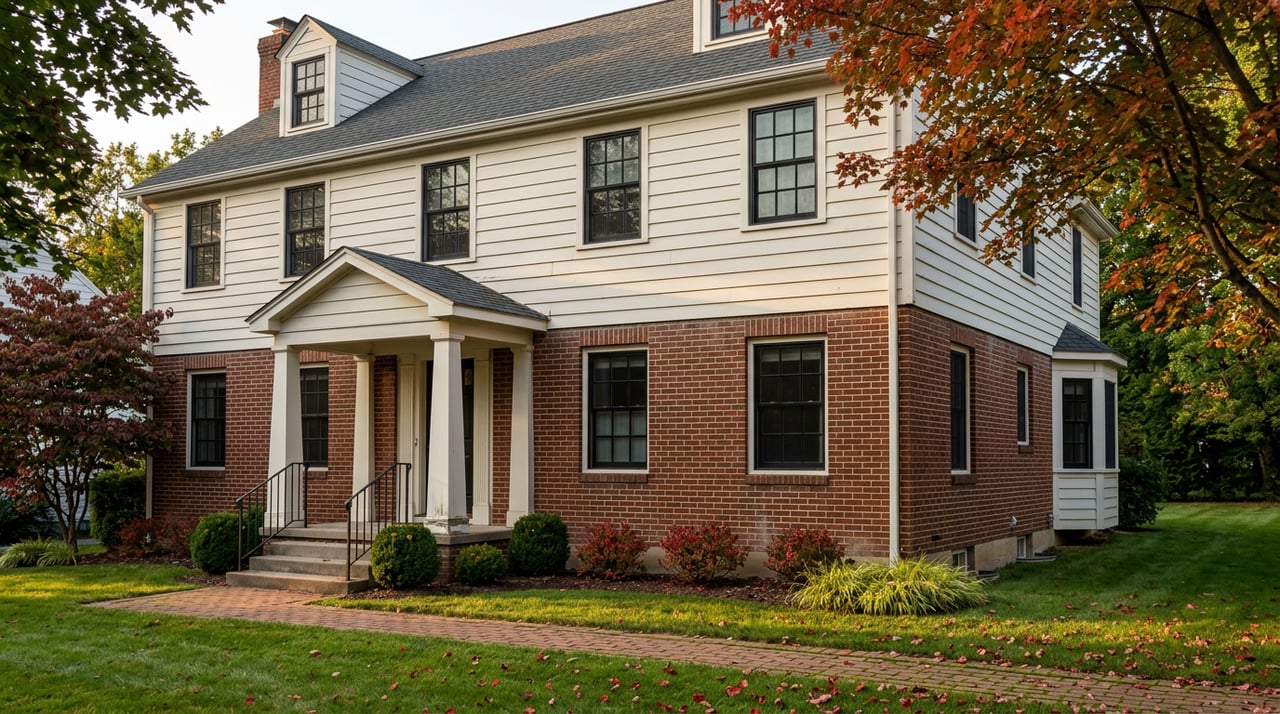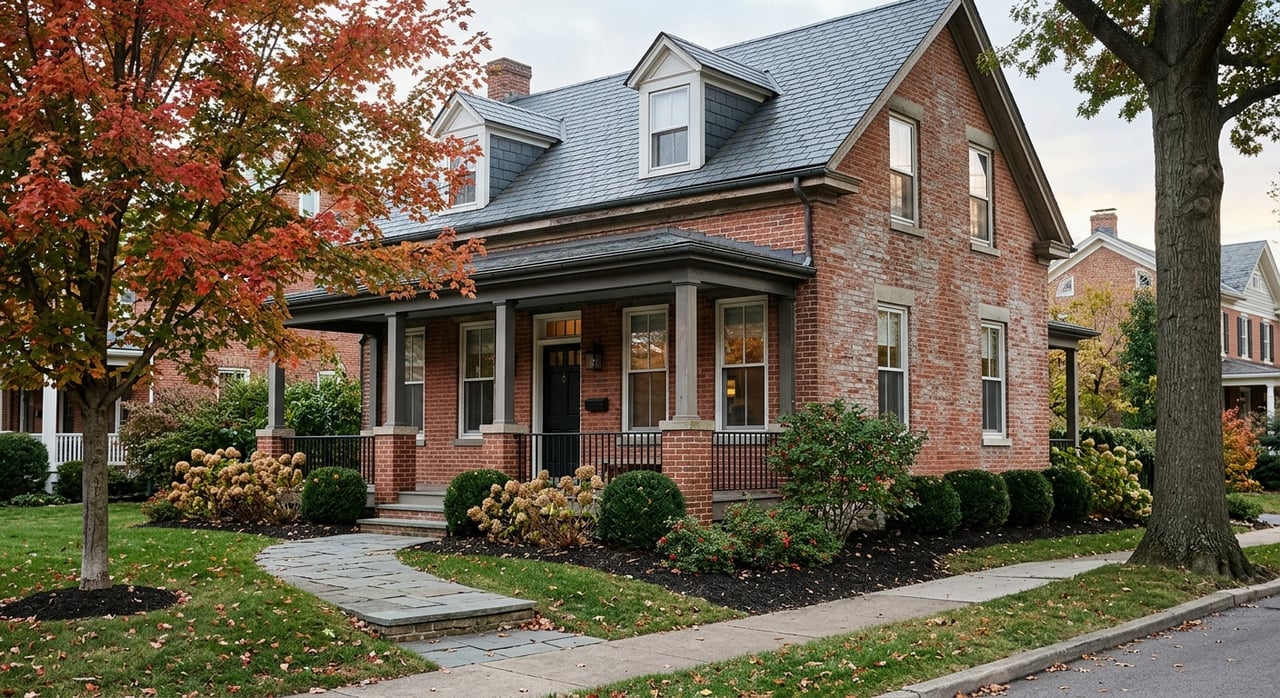
Old homes can steal your heart fast, but they can also surprise you after closing. If you are thinking about buying a historic home in Scranton, you are probably drawn to original details, strong architecture, and the character that newer homes often cannot match. The good news is that with the right questions, inspections, and local guidance, you can move forward with more confidence. Let’s dive in.
Why Scranton Historic Homes Stand Out
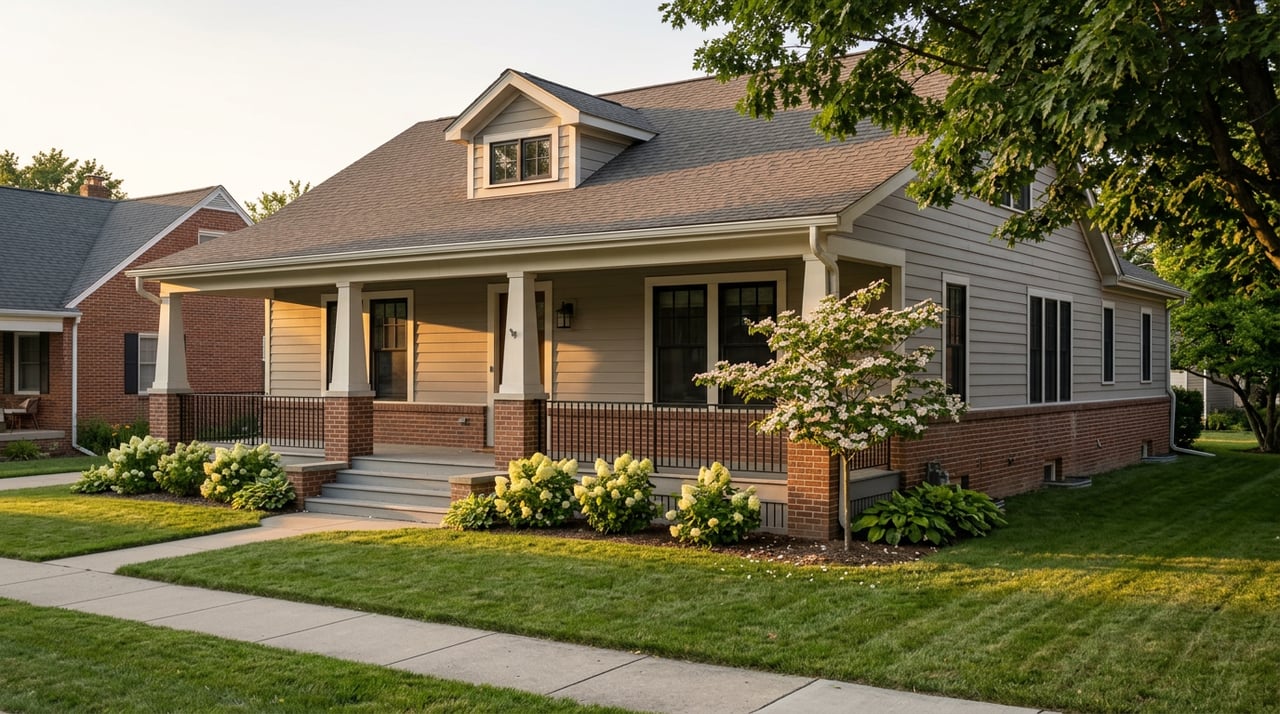
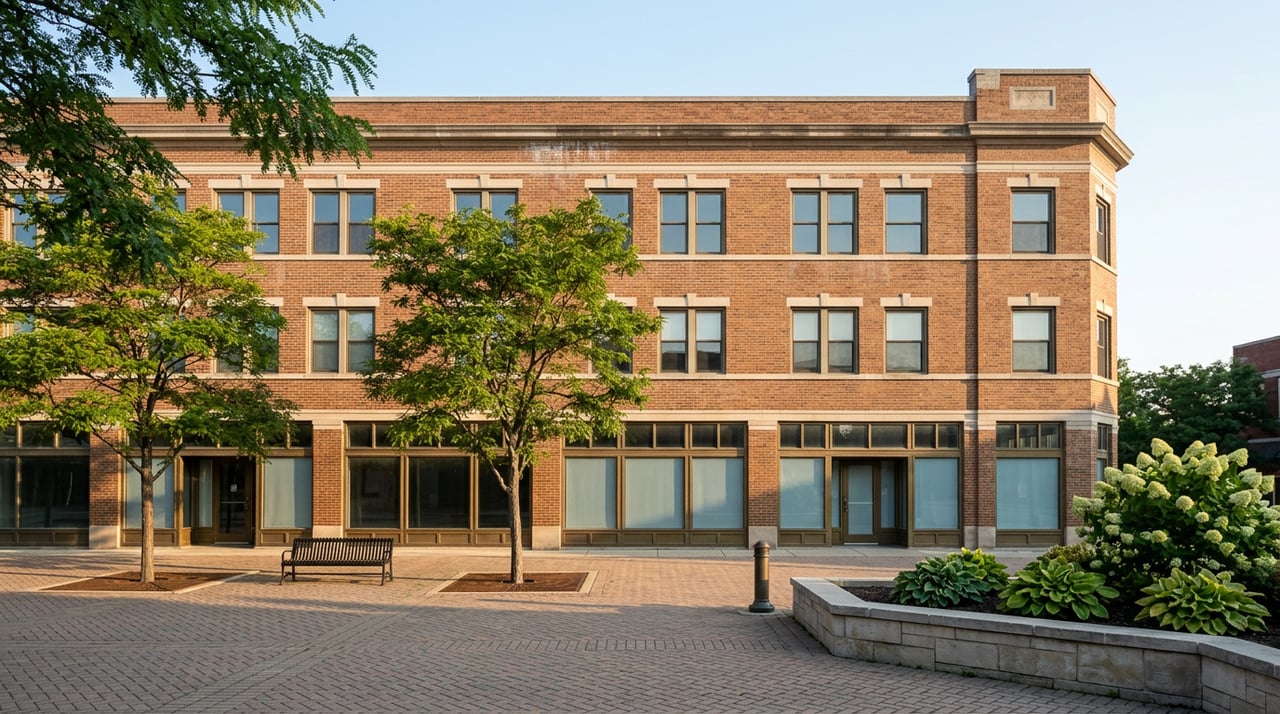
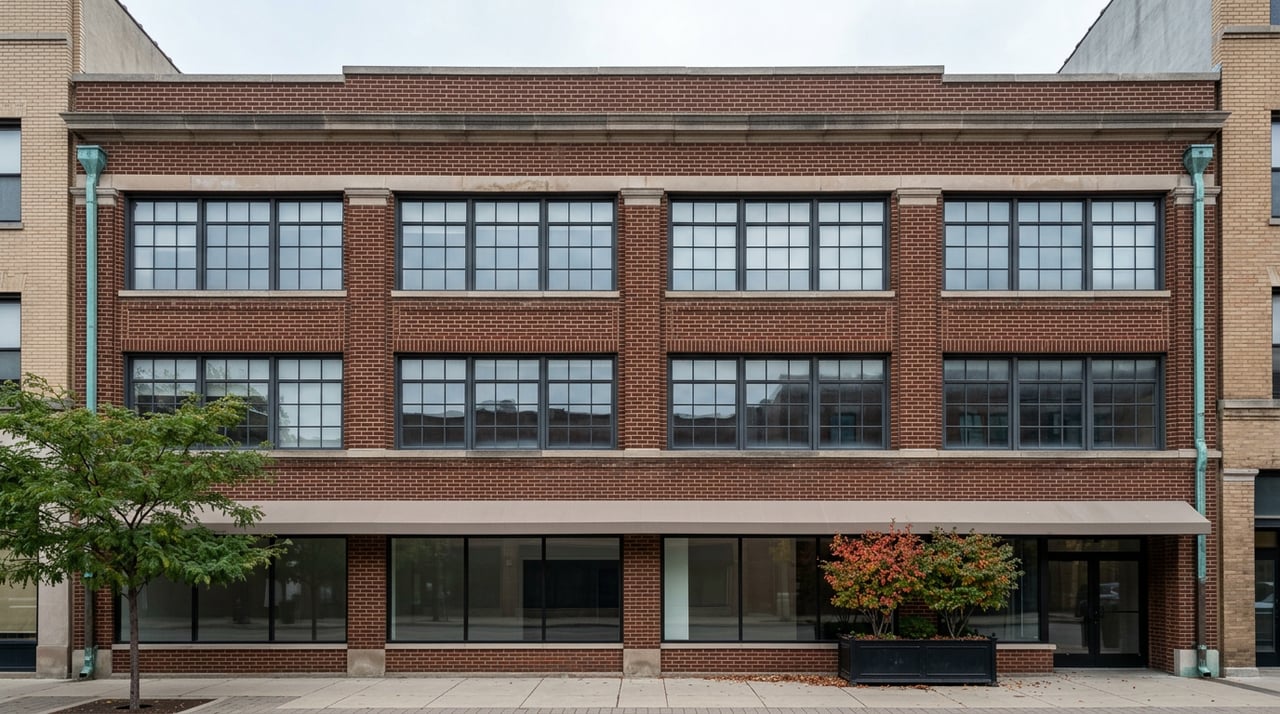
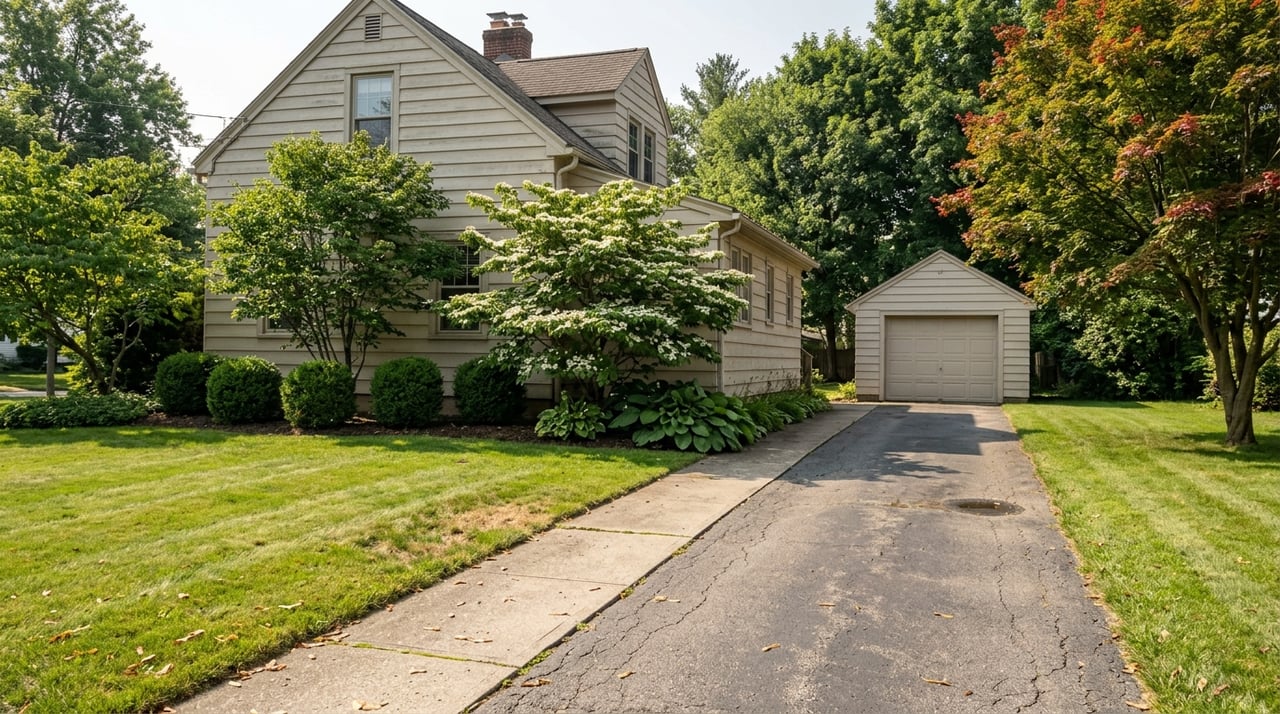
Scranton has a notably intact collection of historic buildings, which is part of what makes the city so appealing to buyers who love older homes. Across the city, you may come across styles like Second Empire, Victorian, Tudor Revival, Colonial Revival, and Romanesque Revival.
That variety matters when you shop for a home. Different architectural styles often bring different maintenance needs, from steep or complex roofs to masonry facades, decorative trim, and older windows that deserve a close review before you buy.
Understand Historic District Rules First
Before you fall in love with a property, find out whether it is in Scranton’s local historic district or on a historic landmark list. In Scranton, exterior work within the local historic district may be reviewed by the Historical Architectural Review Board, also called HARB.
The city’s goal is not simply to block change. Its preservation rules are meant to preserve the relationship between buildings and their setting, which means updates may still be possible, but the process can be more detailed than with a standard home.
What HARB Review Can Affect
If a home is in the Downtown Scranton Historic District or is a designated Historic Landmark, exterior work needs a Certificate of Appropriateness. That can affect projects like window changes, facade updates, roof materials, and demolition.
HARB review is not just about whether something is visible at a glance. The city considers the building’s historical value, architectural type, surrounding area, and the design, texture, material, and color of exterior features seen from a public street.
Why This Matters to Buyers
If you plan to renovate soon after closing, approval timelines can affect your budget and schedule. Scranton’s application for a Certificate of Appropriateness requires photos, drawings, historical background, previous renovations, and a $150 fee.
That means a home with “easy cosmetic updates” may not be as simple as it sounds if the exterior work needs review. Knowing that before you make an offer can help you plan realistically.
Focus on Key Inspections
Older homes need a more careful inspection strategy. A general home inspection is important, but with historic homes in Scranton, you should pay especially close attention to components that commonly affect both cost and long-term preservation.
Roof and Attic
A weather-tight roof is one of the most important parts of any older home. Even a small leak can speed up damage to masonry, wood, plaster, and paint.
That is why roof planning should start with a full internal and external inspection. In a historic home, complex rooflines, older flashing, and aging materials can turn a hidden issue into a major expense.
Masonry and Foundation
Brick and stone can last a very long time, but moisture is especially hard on historic masonry. Cracking may come from settlement, movement between materials, corrosion, moisture swings, or freeze-thaw cycles.
When you tour a home, pay attention to brick, stone, mortar joints, and signs of wall movement. These details can tell you a lot about how the home has performed over time and what repairs may be ahead.
Windows
Historic windows are often an important part of a home’s original character. In many cases, they can be repaired rather than replaced, and performance may be improved with weatherstripping or storm windows.
For buyers, this is important in two ways. First, original windows can affect the look and value of a historic home. Second, repair may be a more appropriate path than full replacement, especially if exterior review applies.
Watch for Older-Home Health and Safety Issues
Historic charm should always be balanced with practical due diligence. In Scranton, many older homes may need extra testing or documentation for materials and conditions that are more common in aging housing stock.
Lead Paint
Older homes are more likely to contain lead-based paint. According to the EPA, 87 percent of homes built before 1940 and 24 percent of homes built between 1960 and 1978 contain some lead-based paint.
If the home was built before 1978, federal lead disclosure rules apply. You should review the seller’s disclosure materials carefully and consider whether you want a certified lead inspector or risk assessor to confirm whether lead is present.
Radon
Radon is an odorless gas that can enter a home through foundation cracks. Pennsylvania DEP says about 40 percent of homes tested in the state are above the EPA action level of 4 pCi/L.
Testing is the only way to know if a home has elevated radon. For that reason, radon testing is a smart step when buying an older Scranton property, especially one with a basement or signs of foundation cracking.
Asbestos
If you suspect asbestos-containing material, especially in areas that may be remodeled, a trained and accredited asbestos professional should handle sampling. If material is damaged or will be disturbed, repair or removal may be needed.
This is especially relevant if you are buying a home that needs updates right away. Your renovation plan should be based on testing and proper professional guidance, not guesswork.
Know Scranton Permit Rules Before Renovating
If you are planning work after closing, Scranton’s local permit rules should be part of your buying decision. The city states that no work is to begin without a permit.
Residential permit applications should be submitted 4 to 90 days before work begins, and residential permits are generally decided within 15 business days. Starting work without a permit can double the fee, which makes planning ahead well worth it.
Contractor Requirements Matter
Scranton says all work within the city must be done by an insured licensed contractor. Residential work requires a Home Improvement Contractor License.
That means your post-closing project team should be lined up carefully. If you buy a historic home expecting to use any contractor available, you could run into delays if they do not meet local requirements.
Floodplain Review Can Also Apply
If the property is in a FEMA Special Flood Hazard Area, the city requires floodplain review. Projects that exceed 50 percent of a structure’s value can trigger substantial-improvement compliance.
For buyers planning major renovations, this is another reason to confirm local requirements early. A project budget should account for permit review, documentation, and possible design adjustments.
Budget for More Than the Purchase Price
Buying a historic home in Scranton often means budgeting beyond your down payment and closing costs. Older homes can need specialist labor, more documentation, and longer planning timelines.
A smart budget should include a contingency fund for repairs, preservation-related documentation, and specialized contractors. Even when a home has been cared for, older materials and systems can create costs that do not show up in a simple online estimate.
Review the Paper Trail
Pennsylvania law requires sellers to disclose known material defects before the sale is executed. For homes built before 1978, lead disclosure information and the lead pamphlet must also be provided.
As a buyer, review seller disclosures alongside permits, repair records, renovation history, and any lead, radon, or asbestos reports. Good paperwork can help you understand not just what the home is, but how it has been maintained.
Historic Tax Credit Limits
If you are considering a rental or mixed-use historic property, one incentive may be worth discussing. The federal historic rehabilitation tax credit is for income-producing properties, and owner-occupied residential homes do not qualify.
Even then, a property in a district still must meet federal certification standards to qualify. If you are buying as an investor, that detail can affect your numbers from the start.
Questions to Ask Before You Buy
When you are serious about a historic home, the right questions can save you time and money. Bring these up before you commit:
- Is the property in Scranton’s local historic district or on a historic landmark list?
- Which exterior changes would require HARB approval or a Certificate of Appropriateness?
- What permits, contractor licenses, or floodplain reviews apply to the work you want to do?
- Has the home been tested for lead, radon, or asbestos?
- What roof, masonry, window, plumbing, and electrical work has been completed, and is it documented?
These questions help you compare homes more clearly. They also help you separate a manageable project from one that may need more time, money, and coordination than you expected.
Why Local Guidance Makes a Difference
Buying a historic home is different from buying a newer property. You are not just evaluating square footage and finishes. You are also weighing maintenance history, local review rules, permit timing, and the true cost of ownership.
That is where local experience matters. In a market like Scranton, it helps to work with a real estate team that understands older housing stock, investment potential, and the practical steps that come after closing.
Whether you are buying a character-filled primary home or evaluating a historic rental or mixed-use opportunity, a clear plan can make the process much smoother. If you want help navigating historic homes in Scranton or planning your next move in NEPA, connect with Luxe Homes Real Estate LLC to schedule an investment or property consultation.
FAQs
What should you inspect first when buying a historic home in Scranton?
- Focus closely on the roof, attic, masonry, foundation, and windows, since water intrusion and structural movement can be especially damaging in older homes.
What exterior work on a Scranton historic home may need approval?
- If the property is in the Downtown Scranton Historic District or is a Historic Landmark, exterior work may need a Certificate of Appropriateness and HARB review.
What disclosures should you expect with an older Scranton home?
- You should expect Pennsylvania seller disclosure of known material defects, and if the home was built before 1978, lead disclosure information must also be provided.
What health-related tests are smart for older homes in Scranton?
- Radon testing is strongly recommended because testing is the only way to know if levels are elevated, and lead or asbestos evaluation may also be appropriate depending on the home’s age and condition.
Can owner-occupied historic homes in Scranton qualify for the federal rehabilitation tax credit?
- No. The federal historic rehabilitation tax credit applies to income-producing properties, not owner-occupied residential homes.